The History of Scott Road and the Hall Farm Tavern
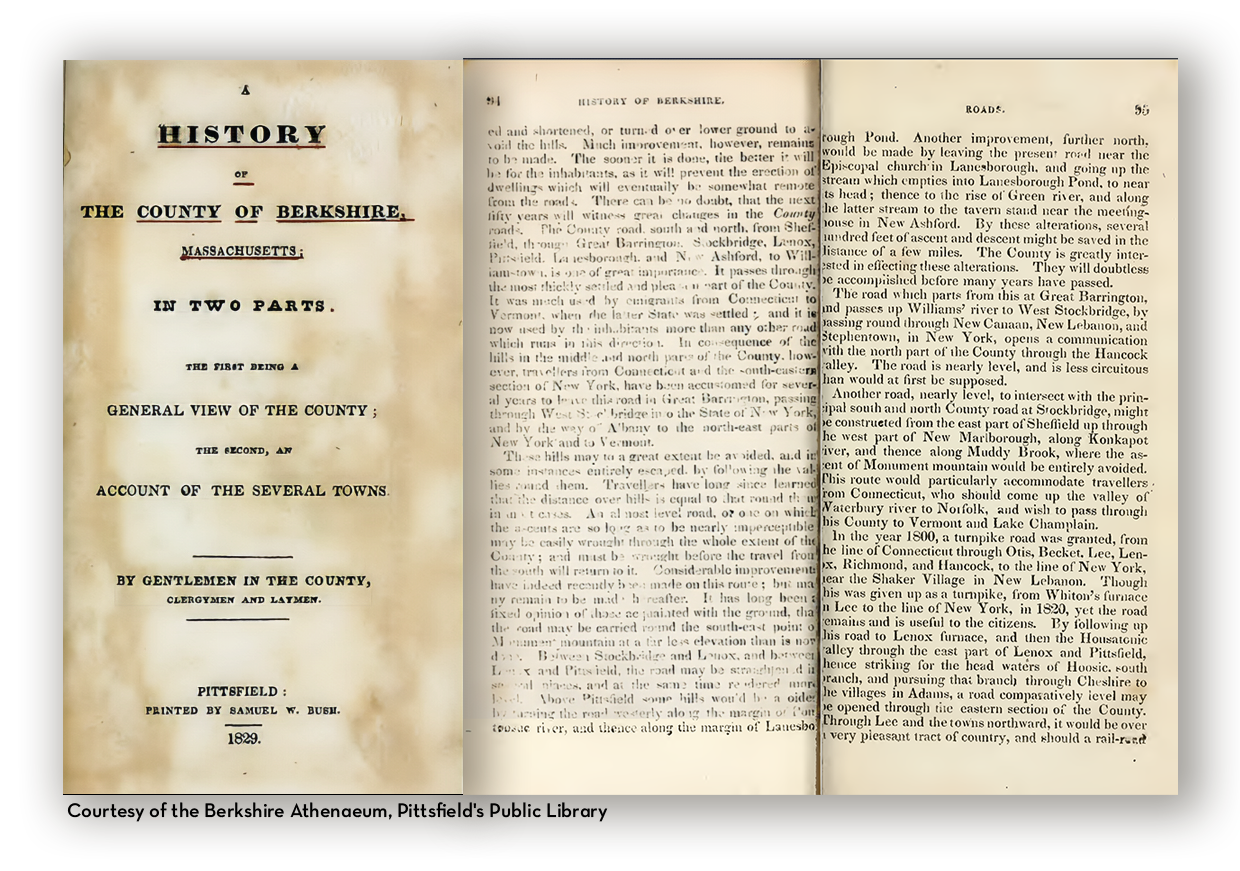
As noted in "The History of the Berkshires in Two Parts" published by Gentlemen in the county, clergymen, and laymen on June 13th, 1826
The early roads in the county were strategically laid along higher ground to avoid muddy marshes, often following old Indian paths or settler trails. Over time, some roads were straightened or rerouted through valleys to bypass hills, but further improvements are still needed to enhance connectivity and prevent isolation as development expands. One key route, running from Sheffield through Great Barrington, Stockbridge, Lenox, Pittsfield, and Lanesborough to Williamstown, has historically been a vital corridor for emigrants traveling from Connecticut to Vermont. This road, traversing the county’s most populated and scenic areas, was heavily used during the early settlement period, though its hilly terrain in the central and northern sections often prompted travelers to detour through West Stockbridge and New York instead.
The Scott Road, a notable part of this network, played a significant role in connecting Great Barrington to Vermont for emigrants. Along this route, the Hall Farm and Tavern served as a crucial stop for travelers, offering rest and supplies. The tavern’s location made it a hub of activity, reflecting the road’s importance in the region’s history. However, the challenging terrain, particularly around Monument Mountain and between Stockbridge and Pittsfield, often made travel arduous. Rerouting sections of the road through valleys, such as along the Housatonic River and Lanesborough Pond, could eliminate steep ascents and provide a smoother, more efficient journey.
The Hall Farm and Tavern stand as a testament to the road’s enduring legacy, reminding us of the vital role these pathways played in shaping the region’s history. In the Edward Knorow archives a the Berkshire Atheneum, (Vol 2 Page 9), "Scott Road ... first noted in "1768 in deeds."
As you journey along this historic path, remember that its unpaved surface is not just a feature—it’s a legacy. First trodden as a Native American path, this historic route has carried the footsteps of generations for over 257 years. It offers a rare connection to the past and a chance to step away from the rush of modern life. There’s no need to hurry, no reason to speed, and certainly no call to ever pave it.
Whether on foot, horseback, by horse-drawn carriage, bicycle or car, this scenic path not only connects us to the past but also invites us to slow down and appreciate the journey. Together, let’s ensure Scott Road remains a peaceful, unpaved haven for generations to come.
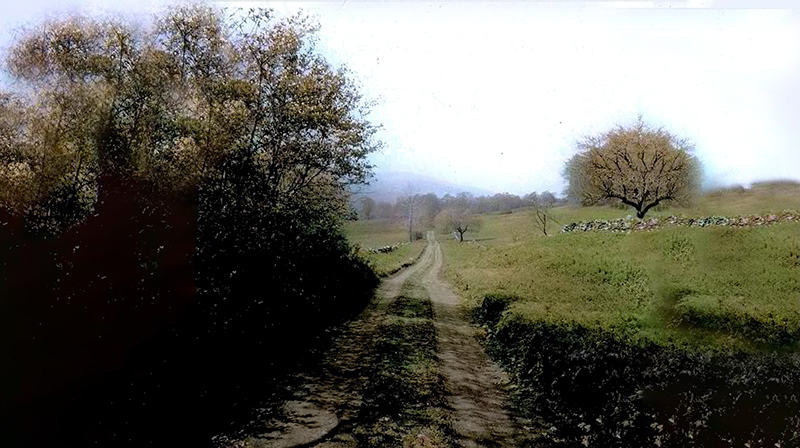
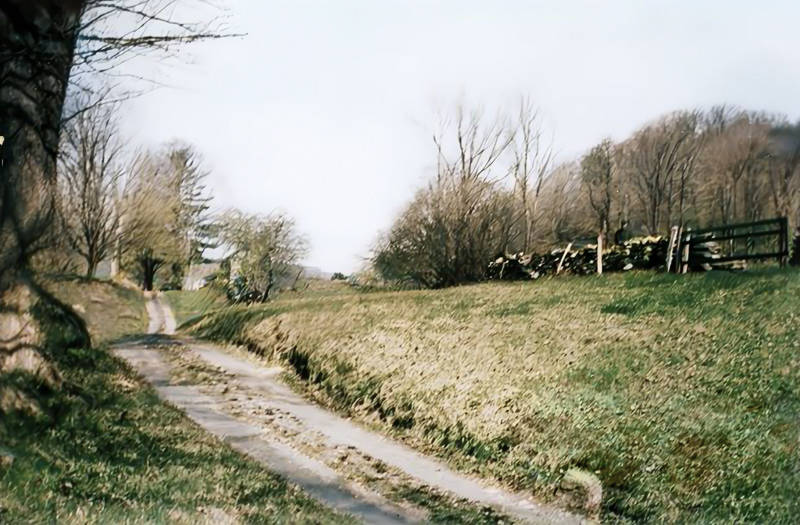
Image: Colorized Hall Road - (Scott Road) - 1959

© 2023 wmdrescher